
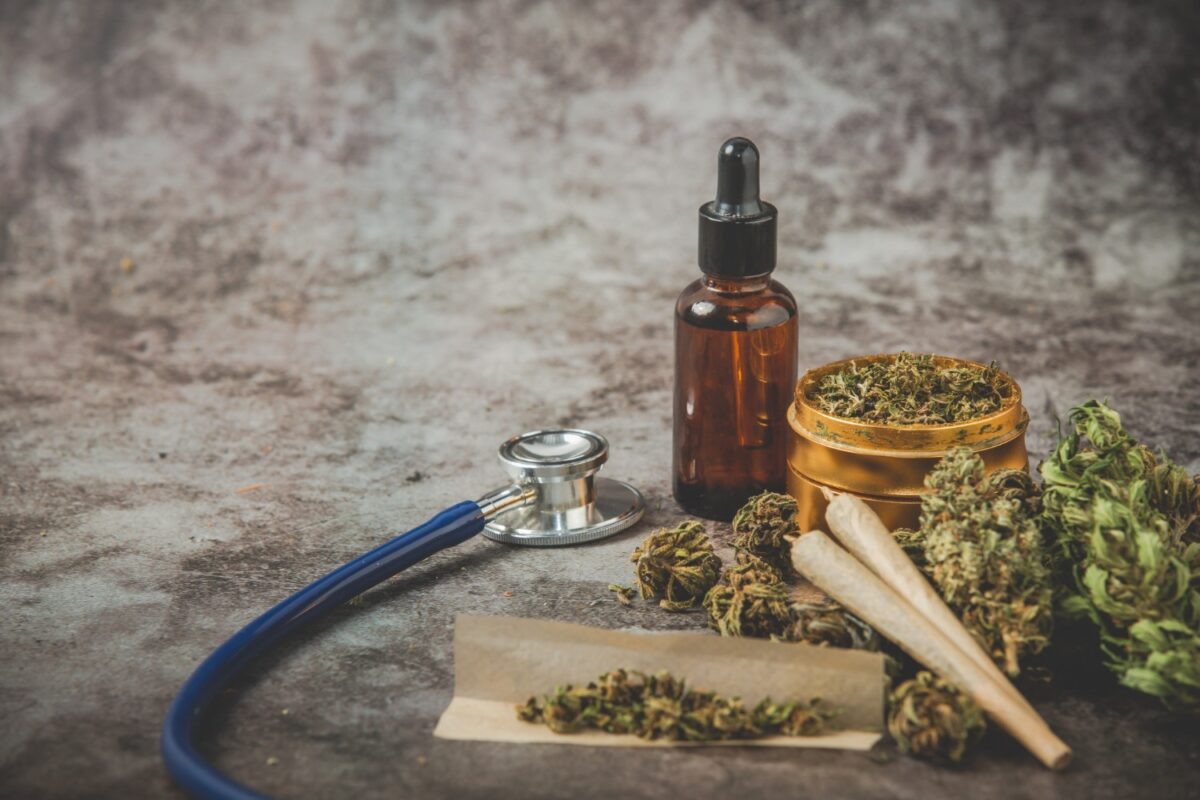
Cannabis is far more complex than many people realize. While THC and CBD are the most widely known compounds, the marijuana plant contains over 100 naturally occurring cannabinoids, each with unique effects and potential uses. These cannabinoids interact with the body’s endocannabinoid system, which plays a role in regulating mood, sleep, appetite, pain perception, and immune response.
For both medicinal and recreational consumers, understanding cannabinoids helps create a more intentional and informed experience. Whether someone is seeking relaxation, focus, relief from discomfort, or a mild euphoric effect, different cannabinoids offer different benefits. This guide explores the most common cannabinoids found in cannabis and how each is typically used.
What Are Cannabinoids?
Cannabinoids are chemical compounds produced by the cannabis plant that interact with receptors in the human body. The two main receptors are CB1, which primarily affects the brain and nervous system, and CB2, which influences immune function and inflammation.
Each cannabinoid has a unique interaction with these receptors, creating a wide range of effects. Products available through modern dispensaries often highlight cannabinoid content so consumers can choose strains and products that align with their desired experience. Exploring curated cannabis flower options and infused products can help match specific cannabinoids to personal preferences.
THC (Tetrahydrocannabinol): The Primary Psychoactive Compound
THC is the most well-known cannabinoid and is responsible for the “high” associated with cannabis. It binds strongly to CB1 receptors in the brain, producing euphoric, relaxing, and sometimes stimulating effects.
Medicinal Uses of THC
THC is commonly used for pain management, appetite stimulation, nausea reduction, and muscle relaxation. Many medical users turn to THC-rich products for chronic discomfort or to improve sleep quality.
Recreational Uses of THC
Recreationally, THC is sought for its mood-elevating and sensory-enhancing effects. It can promote creativity, laughter, and relaxation when consumed responsibly. Products such as edibles, concentrates, and vape cartridges often vary in THC potency, allowing users to tailor their experience.
CBD (Cannabidiol): Calm Without the High
CBD is non-intoxicating and has gained popularity for its calming and balancing effects. It does not produce a high and can even counteract some of THC’s psychoactive intensity.
Medicinal Uses of CBD
CBD is frequently used to support stress relief, reduce inflammation, and manage anxiety. Many consumers use CBD to help with sleep or general wellness without altering mental clarity.
Recreational Uses of CBD
Recreational users enjoy CBD for its relaxing properties without impairment. It is often found in tinctures, topicals, and low-THC flower strains that promote calm focus.
CBG (Cannabigerol): The “Mother Cannabinoid”
CBG is considered the precursor to THC and CBD, meaning other cannabinoids are synthesized from it during plant growth. Though found in smaller amounts, CBG is gaining attention for its unique properties.
Medicinal Uses of CBG
CBG is often associated with antibacterial properties, digestive support, and potential neuroprotective benefits. It may help reduce inflammation and support focus and alertness.
Recreational Uses of CBG
Recreationally, CBG is valued for producing a mild uplifting sensation without heavy sedation or intoxication. It is sometimes chosen for daytime use or creative tasks.
CBN (Cannabinol): The Sleep-Focused Cannabinoid
CBN forms as THC ages and oxidizes. It is mildly psychoactive but far less potent than THC.
Medicinal Uses of CBN
CBN is commonly associated with sleep support and relaxation. It is often included in nighttime products designed to promote rest and recovery.
Recreational Uses of CBN
Recreational consumers use CBN for its calming effects, particularly when seeking a gentle wind-down experience without intense psychoactivity.
CBC (Cannabichromene): A Supporting Cannabinoid
CBC works alongside other cannabinoids to enhance overall effects through what is known as the entourage effect.
Medicinal Uses of CBC
CBC is linked to anti-inflammatory and potential pain-relief properties. It may also support mood regulation and skin health when used in topical products.
Recreational Uses of CBC
CBC is not typically used alone but enhances the effects of THC and CBD in balanced strains and formulations.
THCV (Tetrahydrocannabivarin): Energy and Focus
THCV is structurally similar to THC but produces different effects, especially at lower doses.
Medicinal Uses of THCV
THCV is being studied for appetite regulation and metabolic support. Some users report increased mental clarity and reduced cravings.
Recreational Uses of THCV
Recreationally, THCV is valued for its stimulating, clear-headed effects. It is often chosen for social or active settings rather than relaxation.
The Role of Terpenes with Cannabinoids
While cannabinoids drive the primary effects, terpenes shape aroma, flavor, and influence how cannabinoids feel. Compounds like limonene, myrcene, and pinene can enhance relaxation, focus, or upliftment when combined with specific cannabinoids.
Products that list both cannabinoid and terpene profiles allow consumers to make more informed choices. Browsing strain descriptions and product categories such as concentrates or pre-rolls helps match chemical profiles to personal goals.
Choosing the Right Cannabinoid Profile
The best cannabinoid profile depends on individual needs and desired outcomes. Those seeking relief without intoxication may prefer CBD or CBG-dominant products. Consumers looking for relaxation or euphoria may gravitate toward THC-rich strains. Sleep-focused users often look for CBN blends, while active users may explore THCV options.
Dispensaries that provide education and detailed labeling make it easier for customers to explore cannabinoids safely and responsibly.
Conclusion
Cannabinoids are the foundation of cannabis’s diverse effects, shaping everything from relaxation and creativity to sleep and focus. By understanding compounds like THC, CBD, CBG, CBN, CBC, and THCV, consumers can make more informed decisions about both medicinal and recreational use. Rather than choosing products blindly, learning how cannabinoids interact with the body allows for a more intentional and enjoyable experience. As cannabis science continues to evolve, cannabinoid education remains a key part of responsible and rewarding consumption.
Frequently Asked Questions
THC and CBD are the most abundant and well-known cannabinoids found in most cannabis strains.
Yes. Many products combine cannabinoids to take advantage of the entourage effect, which enhances overall benefits.
CBD and CBN are often chosen for relaxation, while THC provides deeper physical and mental effects.
When used responsibly and legally, cannabinoids are widely enjoyed recreationally. Individual tolerance and dosage are important factors.
No. Each strain has a unique cannabinoid profile that influences its effects and uses.